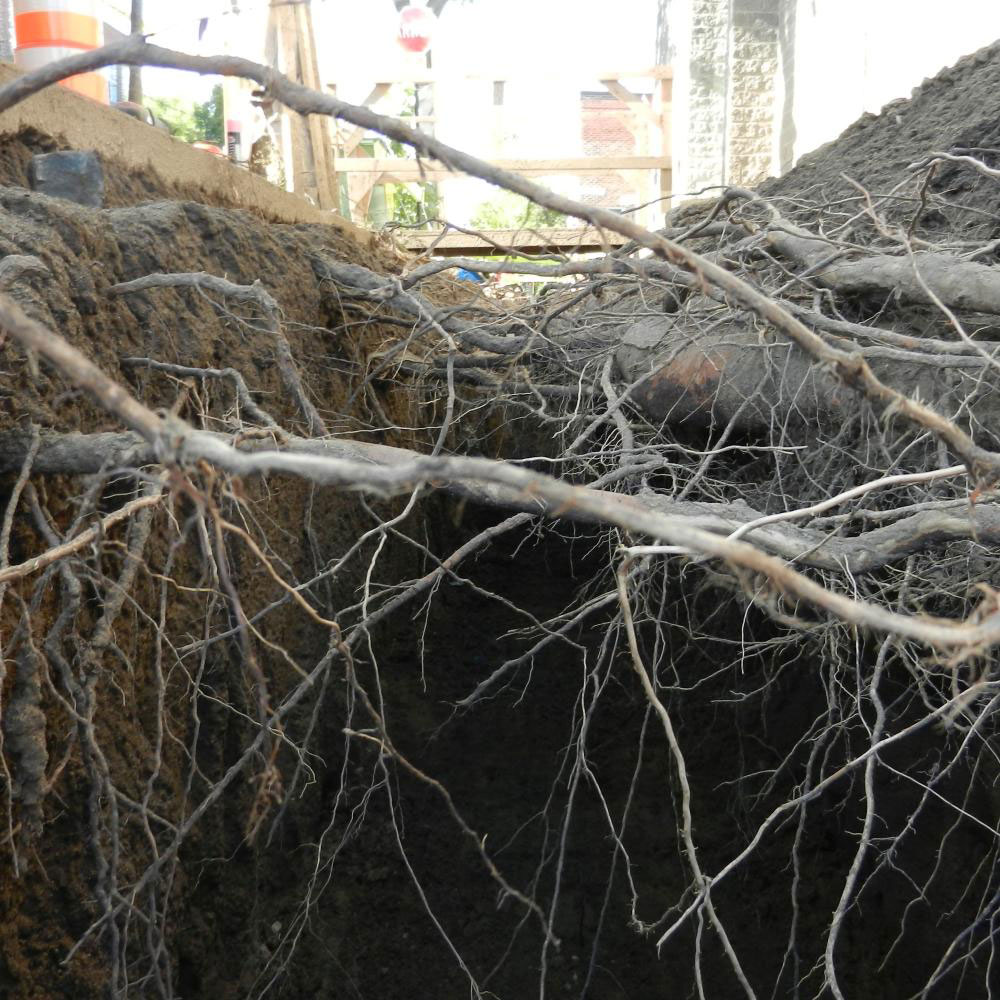
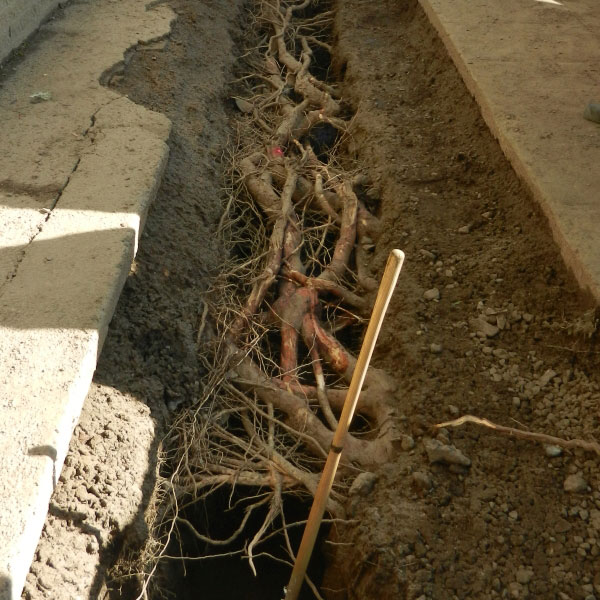
Trees play a vital role in our urban forests, providing a multitude of services and benefits for both citizens and the environment. However, within the urban environment, space is at a premium and competition for it is high. Trees (along with their root systems) need to share the limited underground space with a network of public utilities that are necessary in maintaining our expected quality of life and public services. When a conflict between these two bodies arise, trees can be damaged either directly or indirectly. On the flipside, mitigation measures to protect and avoid trees can impose an added cost for utility companies in terms of both time and money. Despite this daily potential for conflict, there is very little information on this topic and recommendations on how to improve urban planning designs to better integrate the needs of trees with the safety/access requirements of utilities are few and far between.
Here we conduct an extensive literature review to better assess the available knowledge on the subject. From there sources, we will evaluate the severity of the conflict, the reasons behind it, as well as outline some available solutions and recommendations to overcome them. The hope is that from this literature review, a complete ‘Best Practice Guide’ will be developed by a committee of specialists at the CERIU to better inform urban planners moving forwards.